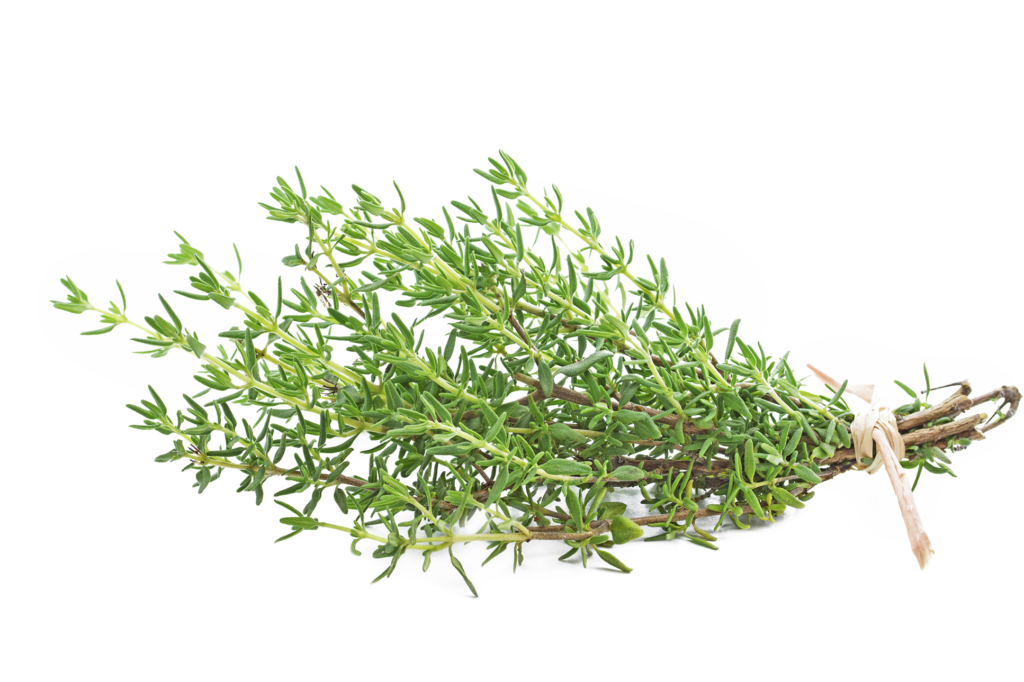
Thymus vulgaris — more than a culinary herb
The Herb You’re Probably Underestimating
Most people reach for thyme when roasting a chicken. Fewer know it has been studied for its effects on the same biochemical pathways disrupted in Alzheimer’s disease.
That’s not a headline designed to mislead you. It’s a reflection of where a growing body of preclinical research is pointing — and as someone navigating questions about brain longevity, you deserve a clear-eyed look at what the science actually says.
Thymus vulgaris contains two compounds of particular neurological interest: rosmarinic acid and luteolin. Both have demonstrated measurable biological activity in brain-relevant models. Neither is a cure, a treatment, or a supplement you should take in isolation. But understanding what they do — and how — builds the kind of mechanistic knowledge that lets you make more informed decisions about what you eat and how you age.
The Two Compounds That Matter
Before getting into mechanisms, it helps to place these molecules in context.
Rosmarinic acid is a polyphenolic ester found across the Lamiaceae plant family — rosemary, sage, basil, and thyme all contain it. It is named after rosemary (Rosmarinus officinalis), where it was first isolated. Structurally, it combines caffeic acid and 3,4-dihydroxyphenyllactic acid, giving it strong electron-donating capacity — which is what makes it a potent antioxidant.
Luteolin is a flavone — a class of flavonoid — present in many herbs and vegetables. It binds to multiple cellular targets, which is partly why researchers have examined it across oncology, metabolic disease, and, more recently, neurodegeneration.
Both compounds are orally bioavailable, though their absorption and metabolism vary between individuals and depend on food matrix, gut microbiome, and preparation method.
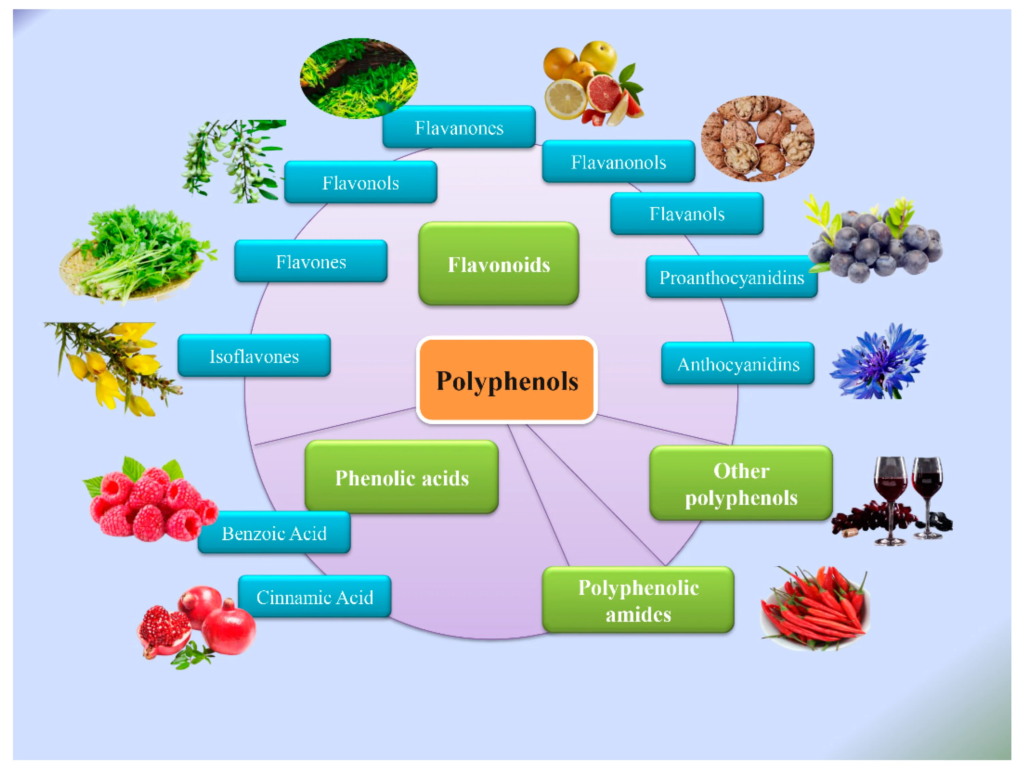
Polyphenols like rosmarinic acid belong to a class of plant-derived molecules with documented biological activity across multiple organ systems
Thyme vs. Alzheimer’s Drugs:
A Shared Target
One of the more striking findings in thyme research relates to acetylcholinesterase (AChE) — an enzyme that breaks down acetylcholine in the synaptic cleft. In Alzheimer’s disease, cholinergic neuron loss leads to severely reduced acetylcholine levels, impairing memory, attention, and learning.
The most widely prescribed Alzheimer’s medications — donepezil, rivastigmine, galantamine — all work by inhibiting AChE. The goal is to slow acetylcholine degradation and preserve what little remains in affected brain regions.
Rosmarinic acid has been shown in in vitro studies to inhibit AChE activity. The mechanism involves direct binding to the enzyme’s active site, reducing its catalytic efficiency. This places rosmarinic acid in the same functional category as pharmaceutical cholinesterase inhibitors — at the molecular level, and under controlled laboratory conditions.
⚠️ Important context: In vitro activity does not automatically translate to clinical efficacy. The concentration of rosmarinic acid required to inhibit AChE in a cell culture well is not the same as what reaches the brain after eating a thyme-seasoned meal. This distinction matters, and it’s one BioLuma takes seriously.
That said, the target is real, the interaction is measurable, and it warrants continued investigation.
Neuroinflammation: What Luteolin Does to Microglia
Chronic low-grade neuroinflammation is a hallmark of Alzheimer’s pathology. Microglia — the brain’s resident immune cells — play a central role. Under normal conditions, they survey for damage and clear cellular debris. In neurodegeneration, they become chronically activated, releasing pro-inflammatory cytokines that damage surrounding neurons rather than protecting them.
Key players in this process include IL-1β (interleukin-1 beta) and TNF-α (tumor necrosis factor alpha) — both of which are elevated in Alzheimer’s brain tissue and correlate with cognitive decline.
Luteolin has demonstrated the ability to inhibit microglial activation in cell-based models. Specifically, it appears to suppress NF-κB signaling — a master transcription factor that drives inflammatory gene expression — thereby reducing IL-1β and TNF-α production. In animal models, luteolin administration has been associated with improved cognition and reduced neuroinflammatory markers.
This makes luteolin one of the more mechanistically interesting flavonoids in neuroprotection research, with a fairly well-characterised molecular rationale behind its observed effects.
Amyloid-β and Oxidative Stress: Two More Angles
Beyond AChE inhibition and neuroinflammation, rosmarinic acid has shown two additional properties relevant to Alzheimer’s pathology:
Amyloid-β aggregation inhibition. The abnormal clumping of amyloid-β peptides into plaques is one of the defining features of Alzheimer’s disease. In cell model studies, rosmarinic acid has demonstrated the ability to interfere with this aggregation process — binding to amyloid-β peptides and reducing their tendency to form toxic oligomers. Whether this translates to meaningful plaque reduction in a living brain remains to be established.
Antioxidant activity in neuronal tissue. Oxidative stress — an imbalance between free radical production and the brain’s antioxidant defenses — contributes significantly to neuronal damage in aging and dementia. Both rosmarinic acid and luteolin carry strong antioxidant capacity, with studies showing they reduce lipid peroxidation and increase endogenous antioxidant enzyme activity in neuronal cell lines.
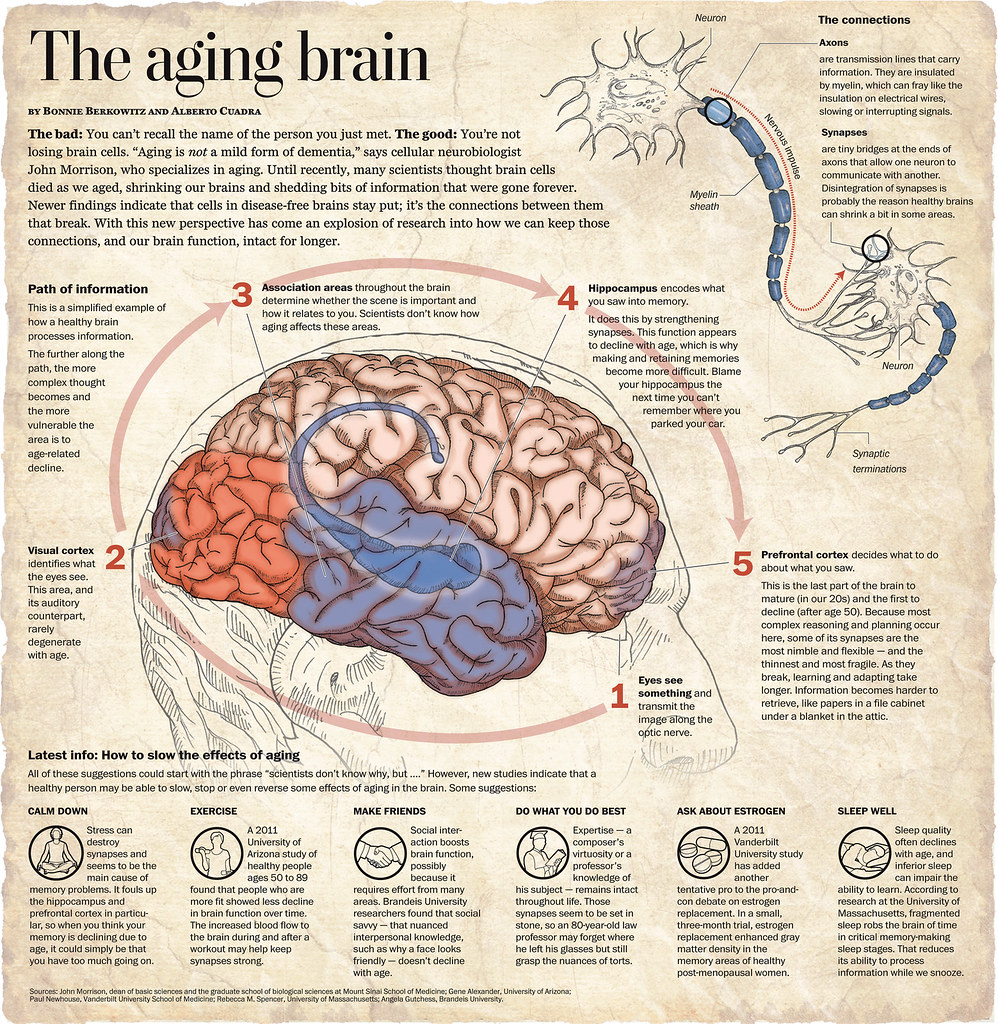
The aging brain faces increasing oxidative burden and inflammatory pressure — two targets where thyme’s active compounds have shown preclinical activity
What the Evidence Actually Says
This is where intellectual honesty becomes essential.
The research on rosmarinic acid and luteolin is promising but preliminary. The vast majority of findings come from in vitro studies (cell cultures) and in vivo animal models — primarily rodents. Human clinical trials examining thyme-derived compounds specifically for dementia-related outcomes are limited and often underpowered.
This doesn’t make the findings meaningless. Preclinical research identifies targets, mechanisms, and hypotheses that are essential before clinical trials can be responsibly designed. But it does mean that direct extrapolation to human outcomes is not yet supported by the evidence.
What can be said with more confidence:
- Rosmarinic acid and luteolin are biologically active compounds with measurable effects on dementia-relevant targets in laboratory conditions
- Regular consumption of herbs like thyme, rosemary, and sage introduces these compounds into the diet in a form the body can absorb
- Dietary patterns rich in polyphenols — including the Mediterranean diet — are consistently associated with reduced dementia risk in epidemiological studies, though causality is difficult to isolate
The Takeaways in Short:
🌿 Thyme contains rosmarinic acid and luteolin — both with documented activity in neuroinflammation, AChE inhibition, and amyloid-β aggregation models.
🔬 The evidence base is preclinical. In vitro and animal findings are promising; human clinical data is limited.
🧬 The mechanisms are real and well-described — these aren’t vague ”antioxidant” claims but specific interactions with named molecular targets.
🍽️ Dietary context matters. Culinary use of thyme is a low-risk, potentially meaningful way to regularly introduce these compounds alongside a broader anti-inflammatory food pattern.
The Bottom Line
Rosmarinic acid and luteolin aren’t folklore — they’re structurally characterised compounds with measurable activity on pathways that matter in neurodegeneration. That’s worth knowing.
The brain you have at 70 is largely shaped by the choices made in your 40s and 50s. Not by any single food, but by consistent patterns — of what you eat, how you manage inflammation, and how seriously you take the evidence available now, even when it’s incomplete.
Adding thyme to your diet costs nothing and carries no risk. Understanding why it might matter is where BioLuma comes in.
Blog
Denna avsnitt ger en översikt av bloggen, visar ett urval av artiklar, insikter och resurser för att informera och inspirera läsarna.
-
Thyme and Dementia: What the Brain Science Actually Shows
Thymus vulgaris — more than a culinary herb The Herb You’re Probably Underestimating Most people reach for thyme when roasting a chicken. Fewer know it has been studied for its effects on…
-
The Relationship Between Gut Health and Mental Health
The gastrointestinal system and the central nervous system are functionally interconnected through what is commonly referred to as the gut–brain axis. This bidirectional communication network is mediated through neural, endocrine, immune, and…
-
When the Brain Gets Stuck: A Neurochemical Look at OCD and Cognitive Therapy
Few conditions illustrate the brain’s complexity as vividly as obsessive-compulsive disorder (OCD). OCD is more than anxiety or habit, it’s a neurochemical loop that traps thought and behavior in repetition. In this…

Lämna ett svar